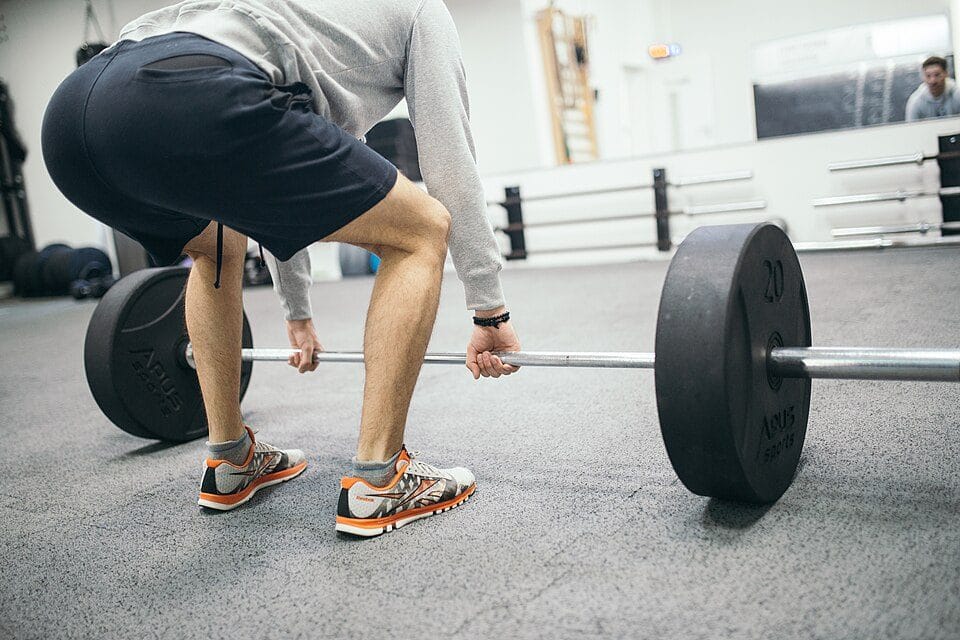
Walk into a converted garage gym in Essex at half six on a July evening and the thermometer nailed above the rack reads 29°C before you've touched a single plate. That's not a freak reading — the Met Office issued three separate amber heat-health alerts across England in the back half of July this year, and anyone training seriously through a summer like this has already worked out that a normal Tuesday session doesn't just get harder. It gets different. The bar speed drops on sets that felt easy a fortnight ago, grip goes long before the target rep, and the fourth set of anything compound turns into a negotiation with yourself rather than a plan you're executing. None of that means you should skip the session and wait for autumn. It means the session itself needs rebuilding around the heat, not just gutted through on willpower.
Why heat wrecks a session long before you notice it
Core temperature climbs faster under a barbell than most lifters assume, and the effect on output shows up well before anyone feels genuinely hot. Blood that would normally go to working muscle gets redirected to the skin to manage heat loss, which means less oxygen and less fuel reaching the exact tissue you're trying to overload. Add a poorly ventilated space — and a lot of UK home gyms are exactly that, a single garage or box-room with one small window — and you get a training environment where a 5RM on squat can feel like a 3RM by the third working set. Sweat rate varies hugely between individuals, but a reasonable working figure for a hard 60–90 minute session in heat is 1–1.5 litres lost, sometimes more for bigger lifters or anyone still carrying winter bodyweight into July.
The bar speed problem no one talks about
Velocity-based training gear is a niche purchase for most home lifters, but you don't need a £300 bar sensor to notice the pattern: bar speed on your working sets drops measurably once ambient temperature crosses roughly 25–26°C, even on loads you'd normally move without thinking. This isn't weakness. It's your nervous system recruiting less aggressively because core temperature regulation is competing for the same resources as force production. Push through it with the same programme you'd run in March and you're training at a higher relative intensity than the numbers on the plate suggest — which is exactly how heat-related overreaching sneaks up on otherwise sensible lifters.
Hydration numbers that actually matter, not just "drink more water"
Plain water alone during a heatwave training block is a mistake, and it's the single most common one PureGym and The Gym Group members make through July and August. Sweat carries sodium, and replacing large fluid losses with water only dilutes what's left, which is how you end up light-headed on the walk to the car park despite drinking constantly through the session. Aim for 500–750ml of fluid per hour of hard training in heat, with an electrolyte source built in — SiS Hydro tablets run about £6.29 for a tube of 20 and dissolve into a standard 500ml bottle, or a cheaper route is Boots' own-brand rehydration sachets at under £3 for ten. Precision Fuel & Hydration's sweat test kit is worth the money if you train hard enough, often enough, and in enough heat that guesswork stops being good enough — it tells you your actual sodium loss rather than a population average.
Pre-hydrating matters just as much as what you drink mid-session. Turning up to a 6pm session already 1–2% dehydrated from a normal working day — no water since lunch, two coffees, a warm commute — puts you behind before the bar leaves the rack. Drink 400–500ml in the 90 minutes before training, not all in one go five minutes before your first set, which just means you spend your warm-up needing the toilet instead of moving weight. And skip the pre-workout stacked with 300mg of caffeine on the hottest days of the year — caffeine's mild diuretic effect works against you exactly when you can least afford it, and the jittery heart-rate spike it causes stacks badly on top of heat-driven cardiovascular strain.
Reworking the session itself: timing, load, and what to cut
The programme you ran in March doesn't survive contact with 30°C unchanged.
Training before 8am or after 7pm during an amber heat warning isn't a nice-to-have — it's the only version of the session that doesn't cost you performance you'll actually miss. Midday and early-afternoon sessions during a genuine UK heatwave are for people who enjoy a slower bar and a worse mood, not for anyone chasing a number on a specific lift. If your schedule genuinely only allows a lunchtime slot, that's the week to switch to a lighter maintenance session rather than trying to hit a top single at 1pm in a room that's pushing 30°C.
Cutting volume vs cutting intensity — which one to sacrifice
Your ego will tell you to keep the same weight on the bar and just grind through fewer clean reps — ignore it. The better trade during a heat block is to drop working weight by roughly 5–10% and keep your rep targets intact, rather than keeping the number on the plate sacred and letting form fall apart on rep four of five. A slightly lighter bar moved well beats a "true" weight moved badly, and it protects the one thing that actually matters through a heatwave week — staying injury-free until the temperature drops and you can pick the intensity back up. Cut total volume too: three working sets instead of four on your main lift, one fewer accessory exercise per session, rest periods extended by 30–45 seconds. None of that is losing ground. It's managing a variable that isn't in your control and won't be for another week or two.
There's a genuine exception worth naming here, though. If you're running a peaking block with a specific competition date or a one-rep-max test booked in, heat isn't a good enough reason to abandon the plan entirely — you adjust the environment instead of the programme. Training in the coolest part of the day, using a fan directly on the bar path, even paying for a single-session guest pass somewhere air-conditioned like a David Lloyd, keeps the programme intact when the stakes justify the extra effort. For everyone else running general strength or hypertrophy work with no fixed date attached, adjusting the programme is the smarter call.
Garage gyms, converted sheds, and other places heat hits hardest
A commercial gym with proper air handling is a genuinely different training environment to a garage conversion with a single oscillating fan, and pretending otherwise is how people end up feeling rough on a Wednesday for no obvious reason. If you're training at home, a £40–60 pedestal fan positioned to blow directly across your torso during working sets — not just generally around the room — makes a measurable difference to perceived effort on hot days. Leave the garage door or window open from first thing in the morning rather than opening it when you walk in to train; a space that's been sealed and baking since midday won't cool down fast just because you've propped the door open twenty minutes before your first set.
Signs you've pushed past what heat adjustment can fix
Dizziness on standing, a headache that builds through the session rather than easing, or stopping sweating altogether despite the heat are not push-through-it situations — they're stop-training-now situations, and confusing the two is how people end up in A&E during a heatwave rather than just having a mediocre training week. Heat exhaustion and heat stroke sit on the same spectrum but the second one is a genuine medical emergency: cool, damp skin and heavy sweating with nausea points to exhaustion, while hot, dry skin, confusion, or a racing heart at rest is stroke territory and needs 999, not a protein shake and a lie-down. Anyone on blood pressure medication, or managing a cardiovascular condition, should treat heat-block adjustments as a floor rather than a suggestion — this isn't the article to self-diagnose your way around a GP's advice.
Eating for a heat-adjusted training week
Appetite genuinely drops in sustained heat, which is inconvenient if you're trying to hold bodyweight through a lean bulk or maintain enough intake to recover from four heavy sessions a week. Cold, higher-volume meals — a big bowl of Greek yoghurt with oats and fruit, a chilled chicken and rice salad — tend to go down easier than a hot dinner when it's 27°C in the kitchen at 8pm, and they land roughly the same macros as the meal you'd normally eat warm. Electrolyte intake through food matters too: a couple of extra pinches of salt on meals during a genuinely heavy sweat week, a banana or a handful of dried apricots for potassium, isn't excessive — it's replacing what a hard session in 30°C heat actually took out of you.
Creatine dosing doesn't need to change through a heatwave, despite the persistent myth that it worsens dehydration risk — the research on this is settled, and 5g daily stays exactly where it was in January. What does deserve a second look is total daily fluid intake on top of your training hydration protocol: 3–4 litres across the day for anyone training hard in genuinely hot weather, spread out rather than downed in two sittings, keeps you ahead of the deficit instead of constantly playing catch-up from a bad starting position. Adjust the numbers, protect the sessions, and the heatwave costs you a few percent for a fortnight rather than the training block you've spent months building.